Introduction
If you’re exploring a career in medical imaging, the Radiologic Technology and Imaging Sciences programs at Keiser University offer a strong path to enter the field in 2025. This updated guide breaks down what you need to know: program structure, admissions, costs, accreditation, clinical rotations, and recent developments.
Program Overview
Associate of Science in Radiologic Technology (AS RT):
-
Two semesters of general education followed by four semesters of core radiologic technology coursework, totaling six semesters or approximately 24 months. Keiser University+1
-
Three start times each year (Winter, Summer, Fall). Keiser University
-
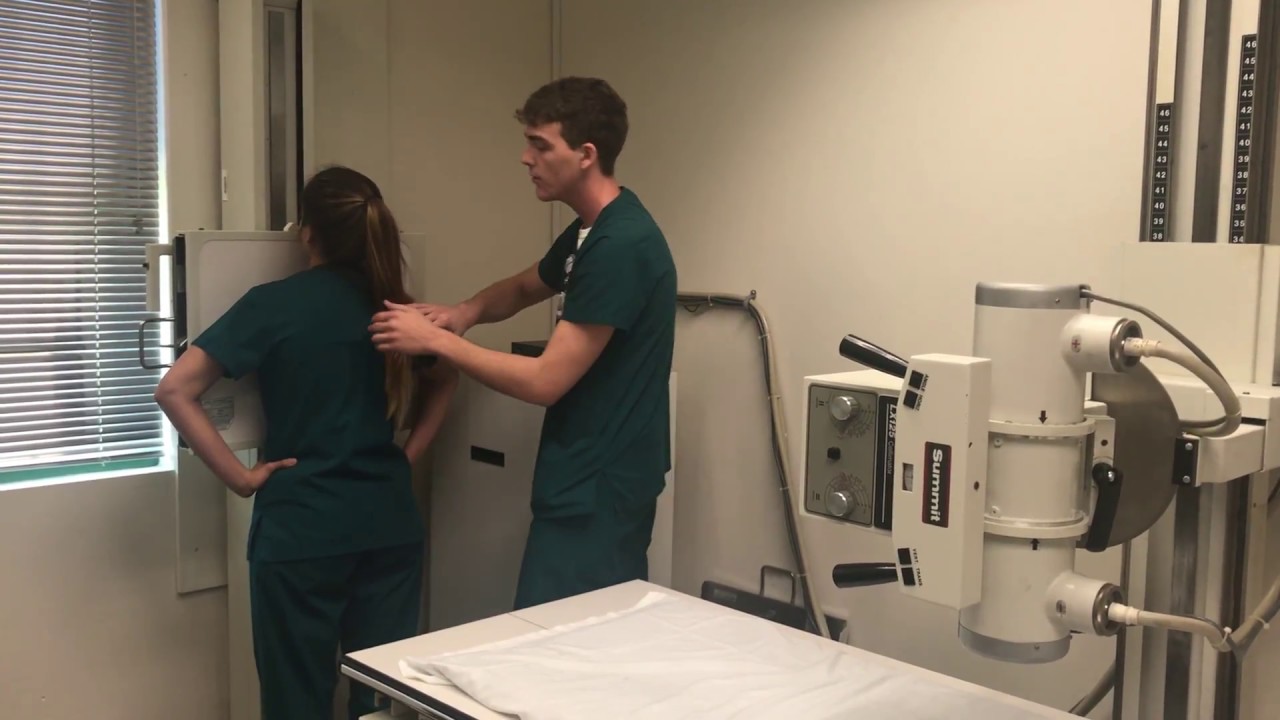
Integral clinical education component: students engage in 40-hour weeks at assigned clinical sites to apply knowledge in real healthcare settings. Keiser University
Bachelor of Science in Imaging Sciences (BS-Imaging Sciences):
-
Designed for technologists holding an associate degree or certification. Keiser University
-
Allows specialization in either Clinical Imaging or Imaging Administration. Keiser University
-
Combines leadership, management, and advanced imaging technology coursework.
What’s New or Updated for 2025
-
The 2025 Core Class Schedule for the AS RT program shows term dates, course codes, and structure clearly, reflecting the latest delivery format. Keiser University
-
The program at the Lakeland campus is listed by the accrediting body JRCERT as “Programs on Probation” as of 11-04-2024 — meaning the program must document compliance by March 21, 2026. JRCERT
-
Important note: If you choose the Lakeland campus AS RT program, verify accreditation status and update from the university before enrolling.
-
-
The BS-Imaging Sciences program is explicitly marketed as meeting the evolving needs of the healthcare community — indicating a strategic enhancement in offerings for 2025. Keiser University

Admissions Requirements & Key Eligibility Info
-
For the AS RT Associate program: Students must first complete all general education courses with a cumulative GPA of 3.0 on a 4.0 scale before proceeding to core RT coursework. Keiser University
-
Entry into general education may require high school diploma or GED verification. Keiser University
-
The Imaging Sciences BS program requires an associate degree or equivalent in imaging (e.g., Radiography, MRI, Sonography) and allows completion of about 24 additional credit hours. Keiser University
Curriculum Highlights & Clinical Requirements
-
Courses in the AS RT program include: Radiologic Imaging (RTE 1401), Clinical Rotations (RTE 1804, RTE 2824), Advanced Radiologic Imaging (RTE 2563), Radiologic Procedures I-IV, Scientific Pathophysiology (RTE 2785). Keiser University+1
-
Clinical rotations are structured in increasing complexity to move from basic patient care and imaging to advanced procedures.
-
For the BS program: Focus areas include advanced technology, management of imaging departments, leadership skills, emerging diagnostic imaging technologies. Keiser University
Accreditation, Outcomes & Program Effectiveness
-
The AS RT program prepares graduates to take the American Registry of Radiologic Technologists (ARRT) certification exam and to seek state licensure where applicable. Hotcourses Abroad+1
-
Program effectiveness data: For example, a published PDF shows first‐attempt pass rates as high as 90-100% in earlier years (2018-20). Keiser University
-
While historic results are strong, you should request current data from Keiser University for 2023-2025 to verify outcome trends.
-
-
Accreditation alert: The Lakeland campus program is under JRCERT probation status as of 2024. Prospective students should check the latest accreditation status.
Tuition & Financial Considerations
-
The Associate AS RT program has been listed at USD 22,936 per year (2025 estimate) according to external aggregation. IDP
-
Keiser University provides a Net Price Calculator to estimate total cost of attendance including fees, books, housing, and transportation. Keiser University
-
Additional fees for the radiologic technology program (background checks, vaccinations, clinical fees) are listed in the academic catalog addendum. Keiser University
Career Outlook & Why This Program Matters in 2025
-
Radiologic technologists and imaging professionals remain in high demand across healthcare sectors — hospitals, clinics, diagnostic imaging centers, outpatient facilities.
-
Graduating from a program branded for 2025 helps you stay aligned with current technologies (digital imaging, MRI, advanced diagnostics) and workplace expectations.
-
If you complete the BS in Imaging Sciences, you open pathways into leadership, imaging department management, and advanced technology roles, rather than entry‐level imaging only.
-
Keep in mind the accreditation status and employer recognition when selecting the program — especially given the Lakeland probation note.
Pros & Cons at a Glance
👍 Pros
-
Structured 24-month AS associate program with multiple start dates (Winter, Summer, Fall).
-
Clinical rotations embedded, giving hands-on experience.
-
Up-to-date schedule and curriculum for 2025.
-
Option to continue to BS level and specialize for leadership roles.
👎 Cons / Considerations
-
Accreditation alert at Lakeland campus requires extra verification.
-
Tuition and out-of-pocket costs may be higher relative to public colleges — prospective students must evaluate ROI.
-
Clinical placement availability may vary; students should inquire about affiliate sites and support.
-
Admission requirements (GPA, general education completion) may delay progression for some students.
How to Get Started (2025 Guide)
-
Visit Keiser University’s website and review the Radiologic Technology AS or Imaging Sciences BS program pages.
-
Contact admissions to ask specifically about: accreditation status at your chosen campus, ARRT pass rates, clinical placement support, and current tuition/fees.
-
Ensure you meet the admissions criteria (GPA, general education progression, prerequisite courses).
-
Use the Net Price Calculator for total cost projection and explore scholarships/financial aid.
-
Submit your application and prepare for start dates (Winter, Summer, Fall) in 2025.
-
Investigate clinical rotation logistics: where you’ll train, schedule, travel requirements.
Final Thoughts
Choosing a radiology/medical imaging program is a significant decision. For those interested in The Radiologic Technology Program or the Imaging Sciences BS at Keiser University, you have a timely and relevant offering in 2025. However, it’s crucial to verify accreditation, outcome statistics, and costs before enrolling. With careful research and planning, Keiser University’s radiology pathway can be a strong step toward a rewarding healthcare career.
If you like, I can also provide a custom checklist, comparative cost table, and list of potential employers for graduates of the program — would you like that?